Table of Contents
Introduction to Selling Online
Starting selling online is easier today than ever before. With millions of people shopping digitally every day, you have the perfect opportunity to turn your idea into a profitable online business. Whether you want to sell handmade products, digital items, or dropshipping goods, the online world is full of possibilities.
Why Online Selling Is More Important Than Ever
Online shopping has become the new normal. People prefer convenience, fast delivery, and wide product choices. For businesses, this means spending less on physical stores and reaching more customers globally.
Benefits of Starting an Online Store Today
You can start small, grow at your own pace, automate processes, and earn money while you sleep—literally.
Choosing What to Sell
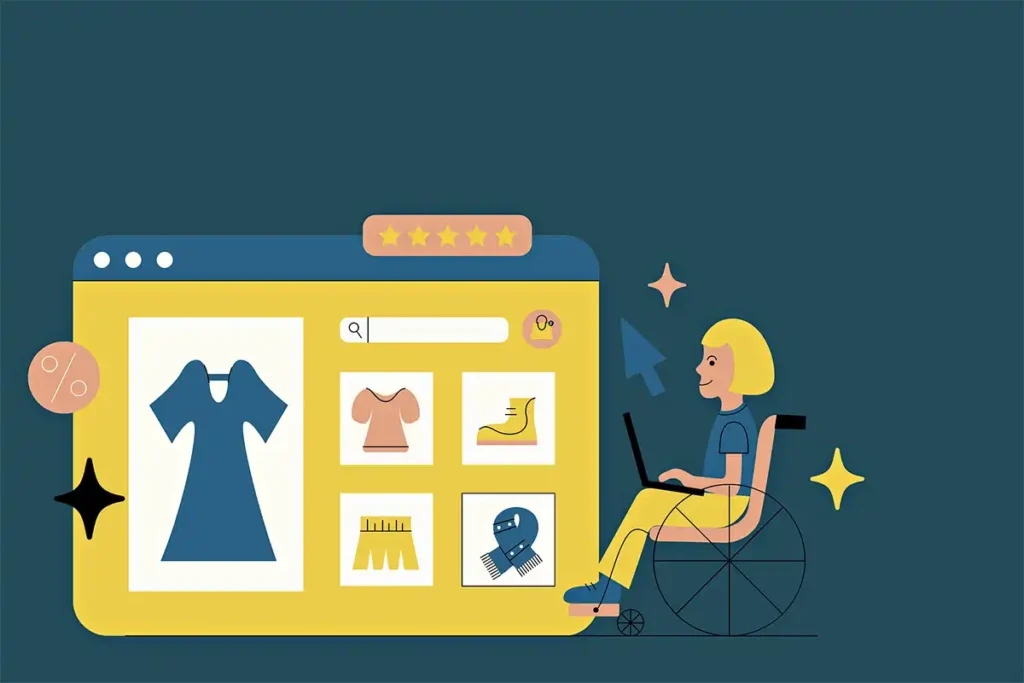
How to Identify Profitable Products
Look for products with:
- High demand
- Low competition
- Good profit margins
Tools like Google Trends, Amazon Best Sellers, or TikTok trends can help you find winning ideas.
Digital vs Physical Products
- Digital products (ebooks, templates): No shipping, passive income.
- Physical products (clothes, accessories): High demand, more variety.
How to Validate Your Product Idea
Check if people are searching for it, buying it, and talking about it. Try small test sales before fully launching.
Picking the Right Platform
Selling on Marketplaces
Platforms like Amazon, Etsy, and eBay can bring in ready-made customers, but they charge fees and limit your control.
Creating Your Own Store
Using tools like:
- Shopify – great for beginners
- WooCommerce – best for WordPress users
- Wix – simple drag-and-drop builder
Pros and Cons of Each Platform
Marketplaces = traffic but competition.
Websites = more control but require marketing.
Setting Up Your Online Store
Choosing a Domain Name
Pick a short, memorable, brandable name. Make sure it’s easy to pronounce and available as a .com if possible.
Designing Your Store
Choose a clean, fast-loading theme with a professional layout. Keep colors and fonts consistent.
Essential Pages Every Store Needs
About Page
Tell your story—people love connecting with real brands.
Contact Page
Include email, phone, and social media links for trust.
Shipping & Refund Policy
Clear policies help you avoid disputes and build trust.
Adding Products the Right Way
Writing Effective Product Titles
Use keywords and make your titles clear and direct. Example:
“Waterproof Hiking Backpack – 40L Lightweight Outdoor Bag.”
Creating High-Converting Product Descriptions
Explain the problem your product solves, highlight features, and add benefits. Use bullet points for clarity.
Importance of High-Quality Product Images
Use:
- Bright lighting
- Multiple angles
- Lifestyle photos
Images help customers imagine using your product.
Setting Up Payment & Shipping
Payment Methods to Offer
Include:
- PayPal
- Credit/Debit Cards
- Stripe
- Apple Pay / Google Pay
More options = more sales.
Shipping Options and Strategies
You can offer:
- Free shipping (higher product price)
- Flat rate
- Real-time carrier rates
How to Handle Returns Smoothly
Create an easy-to-follow return process to gain customer trust.
Marketing Your Online Store
SEO Basics for Beginners
Optimize product titles, descriptions, alt text, and blog posts. SEO helps you get traffic for free.
Social Media Marketing
Platforms like TikTok, Instagram, and Facebook can help you reach thousands without spending money.
Paid Advertising Options
Use:
- Facebook ads
- Google ads
- TikTok ads
Start small, test, and scale.
Email Marketing to Increase Sales
Offer a discount for new subscribers and send:
- Product launches
- Tips
- Sales announcements
Managing Operations
Inventory Management
Use tools like Shopify inventory or WooCommerce plugins to track stock automatically.
Customer Support Best Practices
Answer messages quickly, be friendly, and focus on solving problems.
Using Tools & Automation
Automate:
- Emails
- Inventory updates
- Order tracking
This saves time and reduces mistakes.
Scaling Your Online Business
When to Expand Your Product Line
Add more products once your first product is profitable and stable.
Outsourcing Tasks
Hire help for:
- Packaging
- Customer support
- Marketing
Building a Long-Term Brand
Create a unique identity and focus on customer satisfaction. Happy customers come back.
Conclusion
Starting to sell online doesn’t need to be complicated. With the right product, the right platform, and a solid marketing strategy, anyone can build a profitable online business. Take it step by step, keep improving, and your store will grow faster than you think.
1. How much money do I need to start selling online?
You can start with $0 using marketplaces or low-cost platforms like WooCommerce.
2. What is the easiest product to sell online?
Digital products, accessories, and trending items are the easiest.
3. How do I get customers without paying for ads?
Use SEO, social media content, TikTok, and Pinterest.
4. Do I need a business license to sell online?
In most cases, no—but it depends on your country and local laws.
5. What is the best platform for beginners?
Shopify is the easiest; WooCommerce is best if you already have WordPress.